Multimedia Story FINAL
5040 Hike: Summer Base to Winter Peak
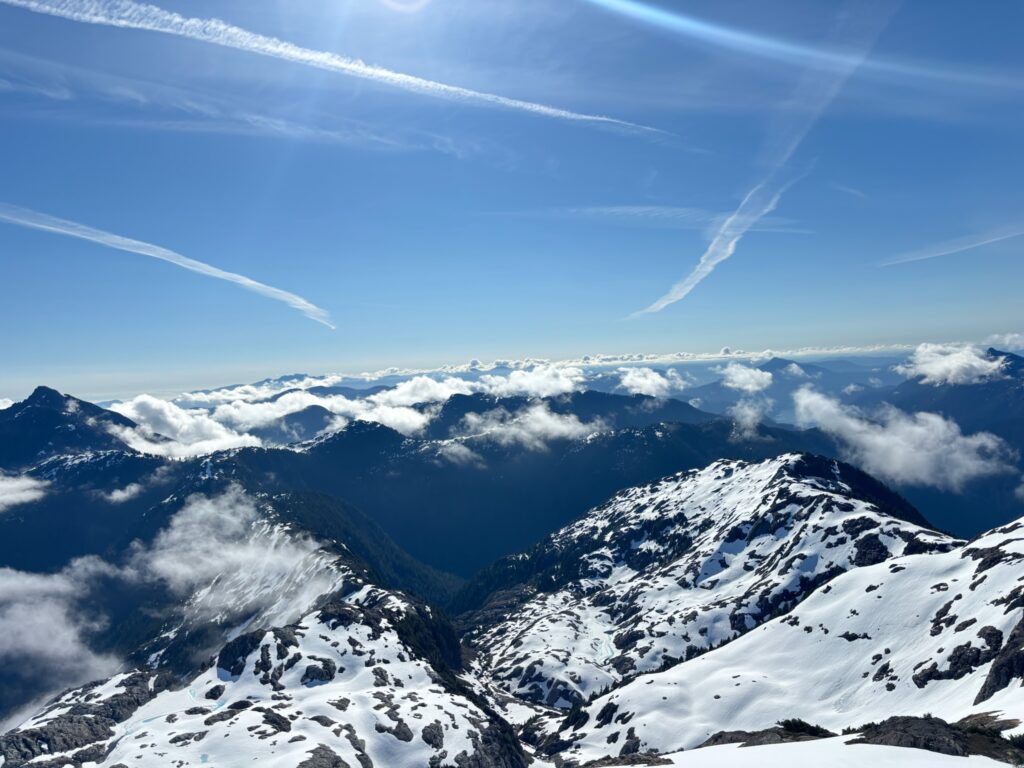
Preparation
Before starting the hike, preparation was essential. The weather forecast predicted cool temperatures and unpredictable mountain conditions, so I had to pack strategically as I only had my small day pack.
Food:
I curated my snack choice based off protein intake, balance of sweet and salty, and lightness.
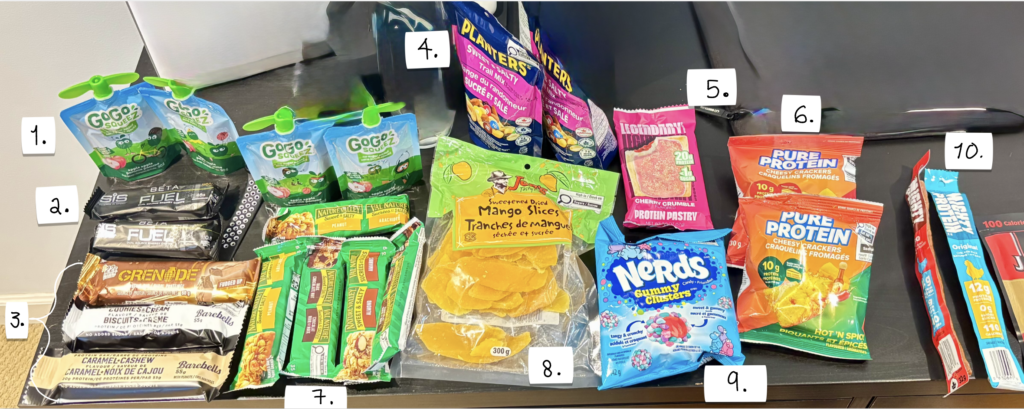
- GoGo Squeez
- Beta Fuel energy chews
- Protein bars (Grenade, Barebells)
- Sweet & Salty Trail Mix
- Legendary Protein Pastry – Pop Tart
- Pure Protein cheesy crackers
- Nature Valley Sweet & Salty bars
- Dried Mango Slices
- Nerds Gummy Clusters
- Pepperoni/ Beef Jerky
Gear:
These are all the essentials:

- Toque
- Fleece
- Quick Dry Pants
- Gloves
- Compass
- Headlamp
- First Aid Kit
- Pocket Knife
- Campons: assist in steep slopes for slippery and rugged terrain.
- Portable Charger
- Hiking Boots
- Carabiners: great for multiple uses, I used them to clamp my wet muddy/snowy crampons once I was done using so inside my bag stayed dry.
- Quick Dry Towel
- Bear Spray
- Matches
- Bear-bell: constant ringing to warn wildlife that we are near so we don’t startle them.
- Water Bladder: holds two litres of water, perfect for the day trip.
- Day Pack
- Gaiters: protective sleeves worn over boots and lower pants to prevent mud, water, snow and bugs.
Before Sunrise

Into the Forest
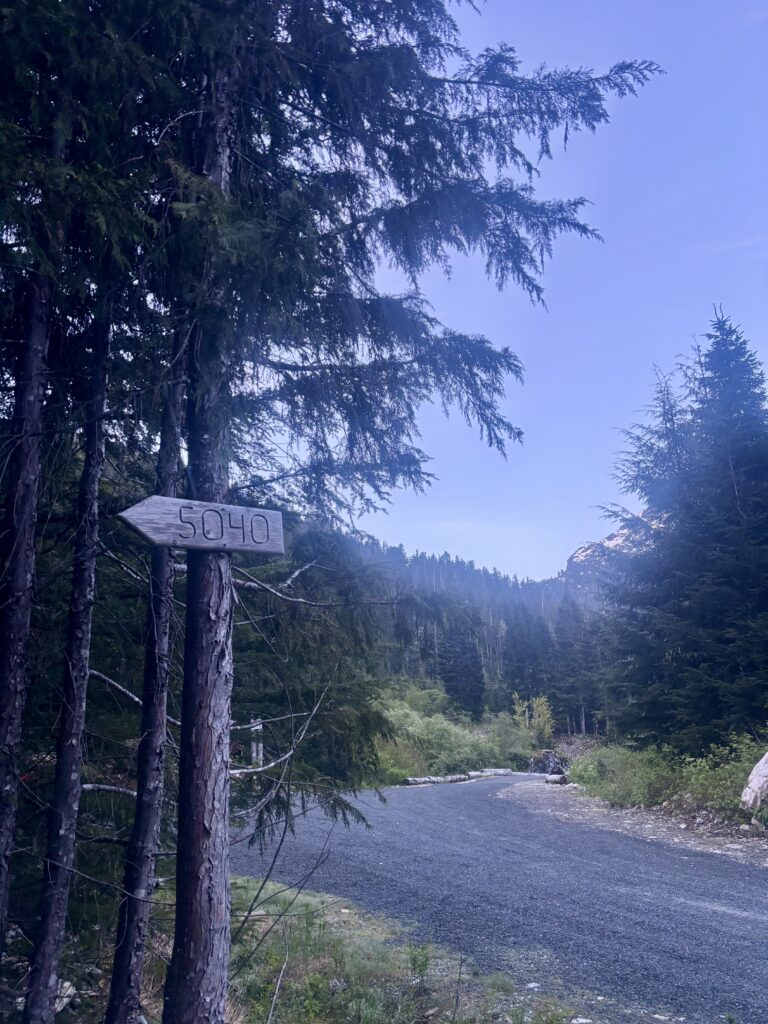
At 5:30AM, we finally begin our hike. The trailhead was completely silent. There was not another person in sight. The only sounds were birds chirping in the distance. With the clear skies above us, no wind, and the crisp mountain air filling our lungs, ideal conditions to start the day.
Knowing the morning would be cold, we started the hike bundled up in toques, fleeces, and windbreakers to stay warm. But it did not take long for those layers to come off.
About 10 minutes into the hike, we quickly realized what kind of challenge we had signed up for. The trail seemed to go straight up the mountain with almost no breaks. The elevation gain was relentless, and shortly we were sweating and feeling the burn in our quadriceps.
As we gained elevation, some sections become so steep that ropes and chains had been installed to help hikers make their way up. We gladly used them to our advantage, pulling ourselves forward and continuing higher up the mountain.
The climb was already testing us, but we were determined to reach the summit. Follow us as we continue our journey to the top of 5040 Peak.
When the Trees Disappeared

After nearly two hours of hiking through the forest, we finally reached Cobalt lake. It felt like a reward after the long, steady climb. The lake was still mostly frozen over, and the snow surrounding it was packed down from the cold temperatures. The entire area looked untouched and peaceful.
As we stopped to take in the view, we noticed something we hadn’t seen all morning, a grey tent near the edge of the lake. It was the first sign that other people were out here. Even so, the area remained incredibly quiet. There were no voices, no movement, just the sound of the birds chirping and the crunch of snow beneath our boots.
For the first time, we could also see our destination. Near the middle landscape ahead stood 5040 Peak, rising sharply above everything around it. After hours of climbing through the trees, seeing the summit finally come into view was both exciting and motivating. It reminded us how far we already came and how much closer we are to the top.
With the summit now in sight, we check our GPS, we are half way till reaching summit. We continue our journey higher into the mountains.
The Final Climb
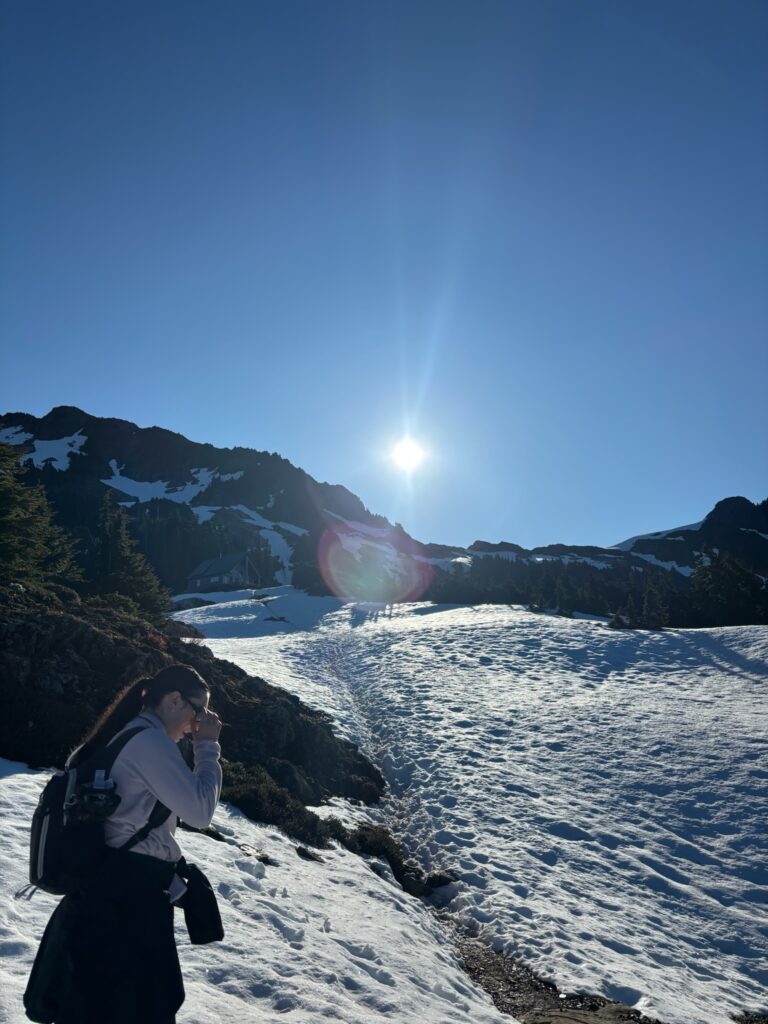
After leaving Cobalt Lake behind, the conditions began to change. The higher we climbed, the deeper the snow became. Before continuing, we stopped for a short break to put on our crampons. The extra traction would make the icy terrain much safer and help us continue our ascent.
As the sun began to rise higher in the sky, the reflection off the snow become almost blinding. The bright white snow stretch in every direction magnified the brightness, so we stopped once again to put on our sunglasses before moving forward.
From this point on, route finding became more challenging. We were using a GPS to help navigate but some of the routes led directly across steep patches of ice that didn’t feel safe. Rather than blindly following the GPS, we carefully assessed the terrain and chose alternative routes that felt more secure. It did extend our hike the slightest, but safety is our priority.
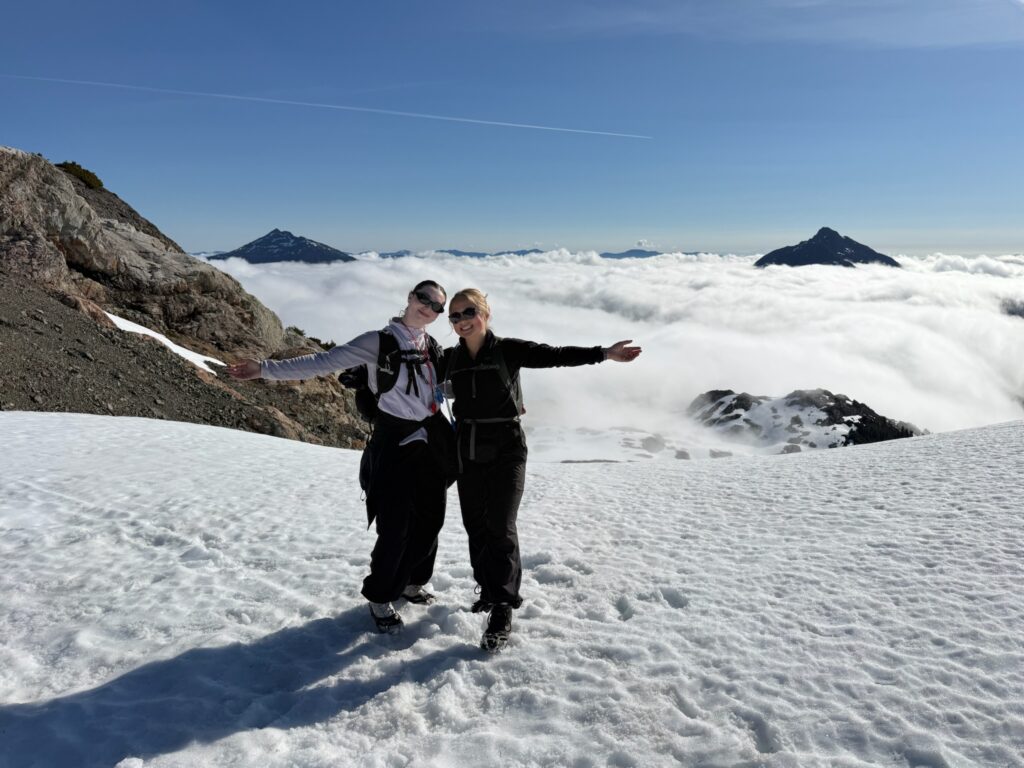
We had made it above the clouds, but the summit still stood ahead of us. From our steep ascend we had adrenaline to keep pushing through till summit.
Standing on Top of 5040
After hours of climbing, we finally reach the summit at approximately 8:30 AM. We finally took a moment to slow down and appreciate where we were. Surrounded by mountain peaks and looking down on the sea of clouds, the views were unlike anything we had seen before.
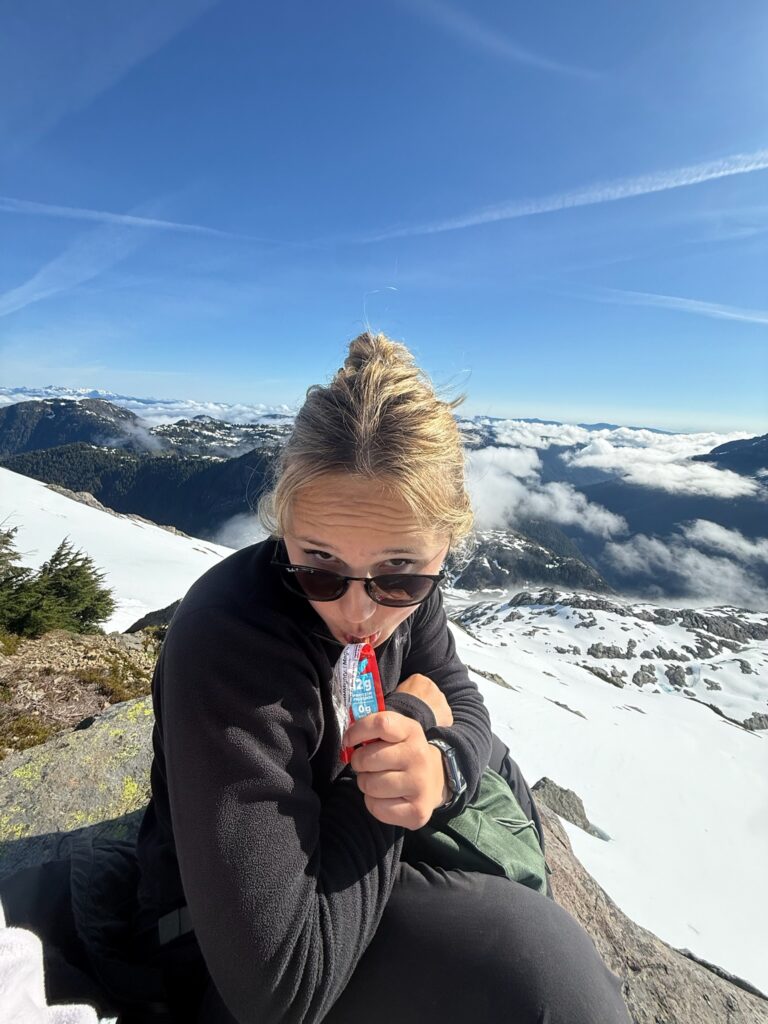
We ate some of our snacks, took a break, and enjoyed the chance to refuel for the descend.
We couldn’t leave without capturing the moment. We spent some time taking photos, trying to do the view justice. While the picture and videos were great, they simply don’t do it justice to the human eye.
The Descent
As we began our decent, I quickly realized that going down the mountain wasn’t necessarily easier than going up because the trail was so steep, every step downhill put pressure on our knees. Our quadriceps were already exhausted from the climb, and now our knees had to work harder to keep us balanced and controlled on the uneven terrain.
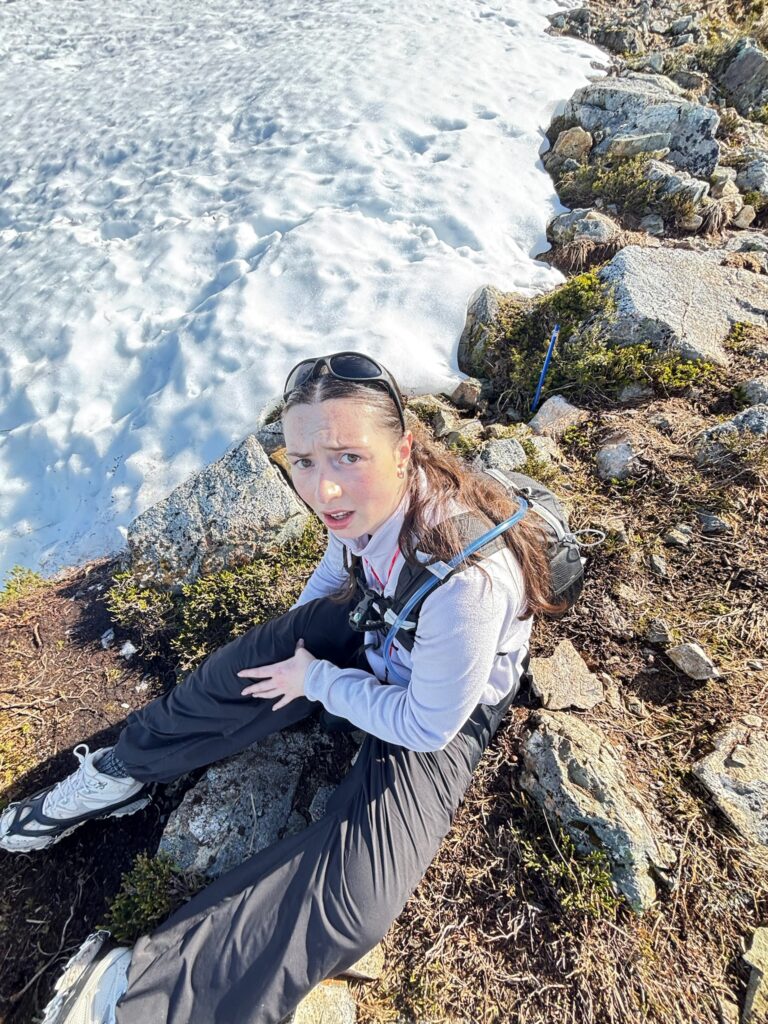
At one point, my hiking buddy had to stop and grab her quadriceps as muscle spasms started to set in.

Post Hike Reflection
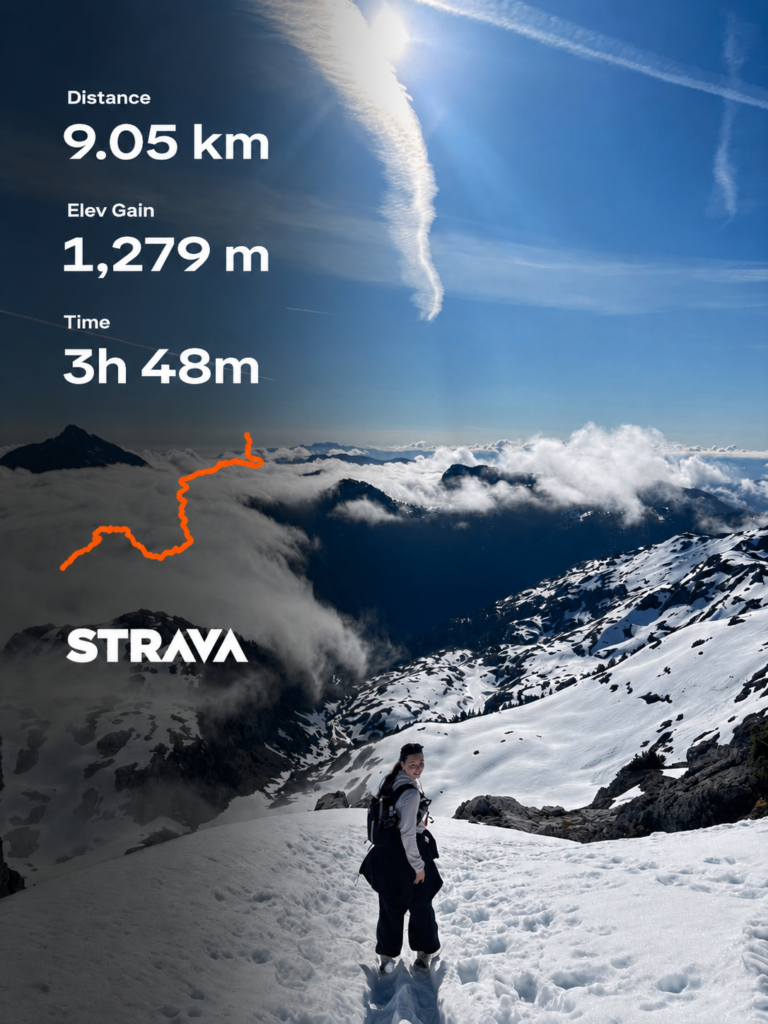
Although the climb was physically challenging, the experience taught us that sometimes the best experiences require patience and effort. The reward is worth the challenges along the way. Therefore, I highly recommend experiencing this journey for yourself.
Multimedia Design Reflection
when creating this multimedia story, I applied several of Mayer’s Principles of multimedia learning to improve the audiences understanding and engagement.
Mayer’s Principles I included:
** click on the arrows to expand all the principles and how I related them to my content.
** click arrows to expand to see peer feedback
Coherence Principle
I only included photos, videos, and audio that directly supported the story of my hike to 5040 Peak. Unnecessary graphics, music, and unrelated content were removed to keep the focus on the experience.
Signalling Principle
I organized the story into clear sections, including the preparation, drive to the hike, hike through the forrest, Cobalt Lake, the alpine section, the summit, and the descent. This helped guide viewers through the journey in chronological order.
Segmenting Principle
The story was broken into smaller sections rather than presenting the entire hike at once. this allowed the viewers to process each stage of the adventure before moving onto the next.
Modality Principle
I used audio narration alongside an image instead of solely relying on large blocks of text. This helped communicate information through both visual and auditory learning.
Pretraining Principle
Before discussing the hike itself, I introduced the route, equipment/materials, and preparation process so viewers would understand important concepts before seeing them in action.
Redundancy Principle
The before sunrise section that included the picture of my route and I did a voice over narrating my journey. Since I avoided large amounts of text while simultaneously narrating the same information. This reduced repetition and allowed viewers to focus on the visuals while listening to that part of the story.
Peer Feedback
After sharing my draft with classmates, this further helped me expand my ideas for my final story. One classmate in particular, Winter, suggested to include more Mayer’s Principles and explain what parts in my story specifically followed these principles. Including the voice over the picture was the feedback I incorporated as well. Another helpful suggestion Winter made was adding in my reflection of the hike and the moral of the story. Therefore I added in the struggles that we faced and what we took from this hike for future learning experiences. After these discussions, I curated my final story to meet all these suggestions.